It’s interesting that Apple chooses to transfer the look and feel of its gadget line into the Mac aesthetic, especially with its new line of notebooks.
The iMac G3 and G4 stood out on their own. They didn’t look like anything that came before them. The iBook G3, when it was released, copied the iMac G3 design (and maybe a bit of the eMate look), unifying the consumer model Macs:

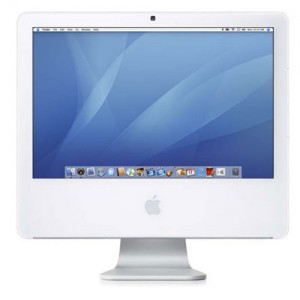
The iMac G4 (see below) was a pioneering design. Then Apple released the iPod, and suddenly the iMac G5 took on its design:

The promotional video for the new iMac said so itself: the rounded corners, the brilliant white, the giant color screen – all of it in homage to the iPod.
Since then, Apple has unleashed the iPhone, with its reflective glass, aluminum casing and black borders, onto the world:

Sure enough, the Macintosh line was soon to follow. First the (admittedly sharp) aluminum iMac:

And now the new MacBook and MacBook pro (with the Air):

Apple seems to take the consumer line of Macs and make them look like whatever new handheld device that’s hot that year. Even the new 24″ display follows this trend. The only Macs to resist these choices are the Mac Pro and Mac Mini, but that’s only because they were metal to begin with.
(An aside: what would a Newton-inspired Mac look like? Would it be a rubberized green?)
The unification scheme makes the hardware sharp and easy to market, but some choices should be optional – like the glossy-only screen option. Sure, slick glass looks great on the iPhone, but on a graphic design machine like the MacBook Pro? Some color-conscious designers are non too pleased.
I don’t have strong opinions either way. The consistency across the Mac line makes aesthetic sense, and helps us distinguish between revisions. The G3 line, for instance, featured translucent, colored plastic (except for the PowerBooks). The G4 line had smooth gray (PowerMac and PowerBook) or ice white designs (iMac and iBook):

The Intel era has featured a mish-mash of the G5 designs and the new, iPhone-inspired Macs. As it stands now, the iMac, Mac Pro, Mac Mini, the new display, and the portable line all hold up to design consistency, with a little wiggle room:

[click for larger image.]
Personally, I was a fan of the white consumer Macs with the metallic pro line. But times, and designs, change – and all the Macs are looking pretty darned good. In fact, this is probably the most consistent design scheme ever. All metal, all the time.
What do you think of Apple using its iPod/iPhone look on the new Macs?